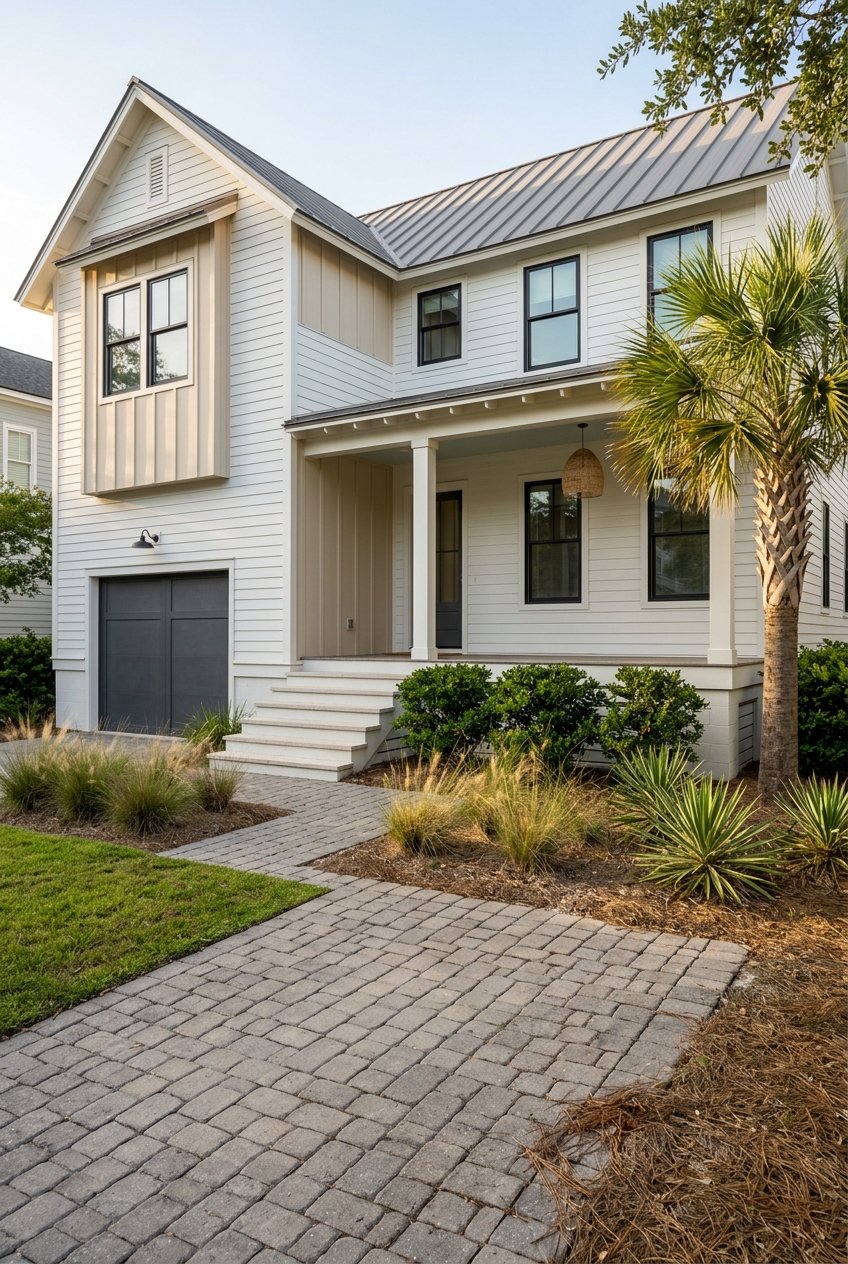
Surfside Beach Or Myrtle Beach: How To Choose Your Fit
April 2, 2026
April 2, 2026
Trying to choose between Surfside Beach and Myrtle Beach? If you are relocating, buying a second home, or simply narrowing down where you want to live along the Grand Strand, this decision can feel bigger than it looks on a map. The good news is that each area offers a distinct lifestyle, and once you understand the differences in feel, housing, beach access, and daily convenience, your best fit usually becomes much clearer. Let’s dive in.
The clearest way to compare these two coastal markets is this: Surfside Beach leans more small-town and residential, while Myrtle Beach offers a larger resort, business, and entertainment environment.
According to the Surfside Beach Comprehensive Plan, the town prioritizes a quiet, safe, clean, and green community with a family-oriented residential character. By contrast, the Myrtle Beach Comprehensive Plan describes Myrtle Beach as a residential community, vacation destination, and broader resort and business center.
If you want a more compact beach town feel, Surfside Beach may line up with your goals. If you want more activity, more infrastructure, and more entertainment woven into everyday life, Myrtle Beach may feel like the stronger match.
Surfside Beach offers a more contained oceanfront experience. The town’s visitor information highlights two miles of shoreline, 36 beach access points, wheelchair-accessible entrances, beach mats, and 12 beach-area parking lots.
That smaller footprint can be appealing if you want a beach routine that feels easy to learn and repeat. Many buyers are drawn to that sense of simplicity, especially if they picture morning walks, regular beach days, or a second-home setup that feels lower key.
Surfside’s parking program is seasonal, running from March 1 through October 31 between 8:00 a.m. and 6:00 p.m. Posted rates are $3 per hour or $15 per day in premium lots, $2 per hour or $10 per day in non-premium lots, and $4 per hour at the Pier Lot.
If you like the idea of free parking outside those seasonal hours, that may be a practical plus. It also reflects Surfside’s more seasonal, neighborhood-scale beach setup.
Myrtle Beach offers a much broader public beachfront system. The city’s plan cites 9.25 miles of beaches, 141 public beach accesses, and a 1.2-mile oceanfront boardwalk with shops, cafes, and an oceanfront park.
If you want more options for where to park, enter the beach, or spend time along the oceanfront, Myrtle Beach gives you more variety. That can be especially helpful if you enjoy trying different stretches of beach or want a more active public waterfront.
In Myrtle Beach, paid parking is in effect year-round from 9:00 a.m. to midnight, seven days a week. The city lists beach accesses and street ends at $3 per hour or $15 all day.
For some buyers, year-round paid parking is simply part of the convenience that comes with a more active beach city. For others, it may reinforce a preference for a smaller setting like Surfside.
Surfside Beach is intentional about preserving its scale and residential identity. The town plan states that the beachfront and nearby blocks should remain predominantly residential, and hotel height is limited to help protect the sense of a small-town coastal community.
The same plan notes a year-round population of 4,155 and a peak seasonal population of 17,406. That tells you something important: Surfside does experience visitor season, but local planning still centers on year-round livability and neighborhood character.
Myrtle Beach operates on a larger scale. The city plan reports 36,459 permanent residents and also describes a destination that welcomes millions of visitors.
Its downtown vision is broader and more urban in feel, with plans for specialty shopping, dining, nightlife, employment, culture, and the arts. The city also highlights its Arts and Innovation District as a downtown focal point with wide sidewalks and tree-lined streets.
If you want a place where tourism, business, and residential life all intersect, Myrtle Beach may feel more aligned with your lifestyle. If you want a setting that puts neighborhood atmosphere first, Surfside may feel more comfortable.
Surfside Beach has a predominantly residential housing base with a mix of home styles. Its comprehensive plan says 52 percent of the housing inventory is single-family detached, with the rest largely made up of townhomes, manufactured homes, and multi-unit properties.
In beachside areas, higher-density housing includes townhomes, apartments, other attached housing, and lodging. Overall, though, Surfside tends to read as more detached-home oriented with a compact, neighborhood-focused layout.
Myrtle Beach has a denser and more mixed housing profile. The city plan says 32.9 percent of housing units are single-family detached, while 30 percent are in buildings with 20 or more units and 23.3 percent are in buildings with 3 to 19 units.
The plan also identifies 15,261 condominium units and 2,375 townhouse units. If you are exploring lock-and-leave ownership, condo living, or resort-style residential options, Myrtle Beach offers a deeper concentration of those property types.
A simple way to think about it is this:
This is where a guided home search can really help. Even when two areas are close together, the housing feel can be very different once you start touring in person.
Surfside Beach concentrates its commerce in a few key areas: the US 17 Business corridor, the town center along Surfside Drive, and the pier district. The town describes the center area as pedestrian-friendly, with restaurants and locally owned businesses, while the pier district includes a hotel and a cluster of restaurants serving beach visitors.
For many buyers, that means daily life can feel simple and predictable. You have essentials and dining options nearby, but the commercial footprint stays relatively compact.
Myrtle Beach offers a broader convenience network. According to the city plan, it includes 37 city parks, 3 full-service recreation centers, the Myrtle Beach Sports Center, the Myrtle Beach Convention Center, the boardwalk, and major retail and redevelopment corridors including Broadway and 501.
If you want more nearby choices for shopping, events, recreation, and dining, Myrtle Beach offers more built-in variety. That wider convenience base can be especially helpful if you plan to live full time in the area or want more activity close to home.
Both Surfside Beach and Myrtle Beach are served by Coast RTA fixed routes. That said, Myrtle Beach has stronger route emphasis tied to major destinations, including connections mentioned in the city plan such as the Boardwalk, the airport connector, and Market Common.
Myrtle Beach also has an added regional mobility advantage because of Myrtle Beach International Airport, along with city planning that emphasizes sidewalks, bike paths, bike lanes, and traffic-calming efforts. If airport access and broader transportation infrastructure matter a lot to you, Myrtle Beach may have the edge.
| Category | Surfside Beach | Myrtle Beach |
|---|---|---|
| Overall feel | Small-town, residential, family-oriented | Larger resort, business, and residential city |
| Beach size | 2 miles | 9.25 miles |
| Public beach access | 36 access points | 141 access points |
| Parking approach | Seasonal paid parking | Year-round paid parking |
| Housing tendency | More single-family detached presence | More condos, townhomes, and multifamily |
| Commercial scale | Compact and neighborhood-scale | Broader shopping, dining, events, and recreation |
| Transit and mobility | Served by Coast RTA | Served by Coast RTA with stronger destination network and airport access |
If you are still weighing Surfside Beach or Myrtle Beach, ask yourself these practical questions:
If your ideal coastal day feels calm, repeatable, and neighborhood-centered, Surfside Beach may stand out. If you enjoy being near shopping, entertainment, events, and a more active oceanfront, Myrtle Beach may feel more natural.
If you are hoping for a market with a stronger detached-home presence, Surfside Beach may align better. If you want more condo and townhome options, Myrtle Beach likely gives you more to compare.
If you want the widest range of nearby amenities and easier access to major destinations, Myrtle Beach has the broader convenience network. If you prefer a simpler, smaller-scale environment, Surfside Beach may be the better lifestyle fit.
Both questions matter in either market, but they often show up differently. Some buyers prefer Surfside Beach for a more residential everyday rhythm, while others like Myrtle Beach for second-home convenience, condo inventory, and access to entertainment and travel connections.
There is no one-size-fits-all answer between Surfside Beach and Myrtle Beach. The right choice depends on how you want your day-to-day life to feel, what kind of property you want, and how much value you place on access, activity, and neighborhood scale.
If you want help narrowing down the right area based on your goals, property type, and lifestyle priorities, Michelle Schneider can help you compare your options across the Grand Strand with a calm, personalized approach.
Stay up to date on the latest real estate trends.
With a foundation rooted in multi-generational real estate investment, I bring practical experience in residential and commercial properties, renovations, and client service.
Michelle Schneider
35 Capers Way Pawleys Island SC 29585