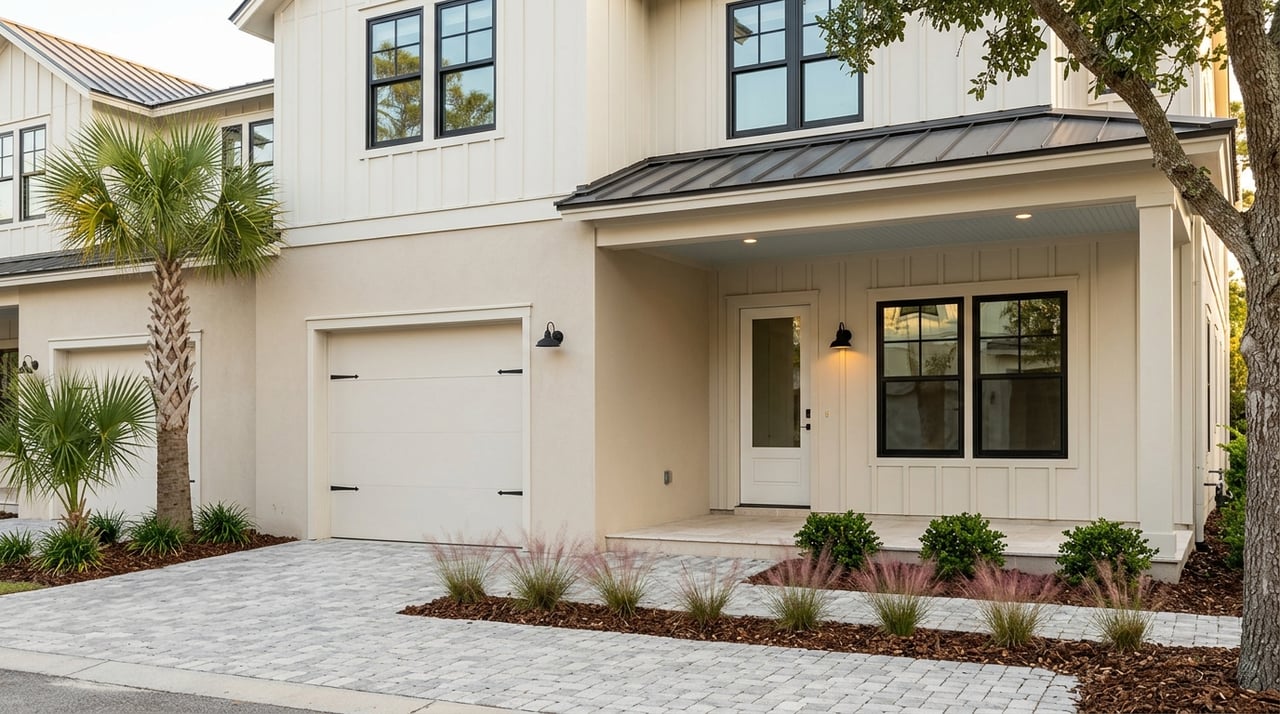
Considering A Second Home In Surfside Beach
April 16, 2026
April 16, 2026
Thinking about a second home in Surfside Beach? It is easy to see the appeal. You may be picturing relaxed beach weekends, a future retirement plan, or a low-stress coastal escape that feels easier to maintain than your primary home. The key is making sure the property fits how you actually plan to use it, from ownership costs to rental rules. Let’s dive in.
Surfside Beach offers a smaller-town coastal setting on the Grand Strand, with about 2 miles of beach, walkable and bike-friendly areas, and easy access to parks, restaurants, shopping, and recreation. According to the Town of Surfside Beach, the year-round population is a little over 4,200, while the town’s planning documents show the seasonal population rises much higher.
That seasonal shift matters if you are considering a second home here. In the town’s 2023 comprehensive plan, Surfside Beach estimates a year-round population of 4,155 and a peak seasonal population of 17,406. The same plan notes that 1,844 properties are classified as seasonal or short-term rentals, which shows how important second-home ownership is to the local market.
At the same time, Surfside Beach is not only about vacation condos. The town’s housing mix includes about 52% single-family detached homes and about 43% townhomes or attached units, according to the same comprehensive plan. That gives you options whether you want a lock-and-leave condo, a townhome, or a detached beach cottage with a little more privacy and independence.
Before you look at listings, define the role this property will play in your life. A second home can mean very different things depending on whether you want a pure vacation getaway, a future retirement home, or a property you may also rent part-time.
That one decision shapes almost everything else. It affects your ideal property type, your expected maintenance load, your tax planning, your insurance needs, and whether rental rules will matter. In my experience, this is where a calm, practical conversation upfront can save you from buying the right-looking home for the wrong long-term plan.
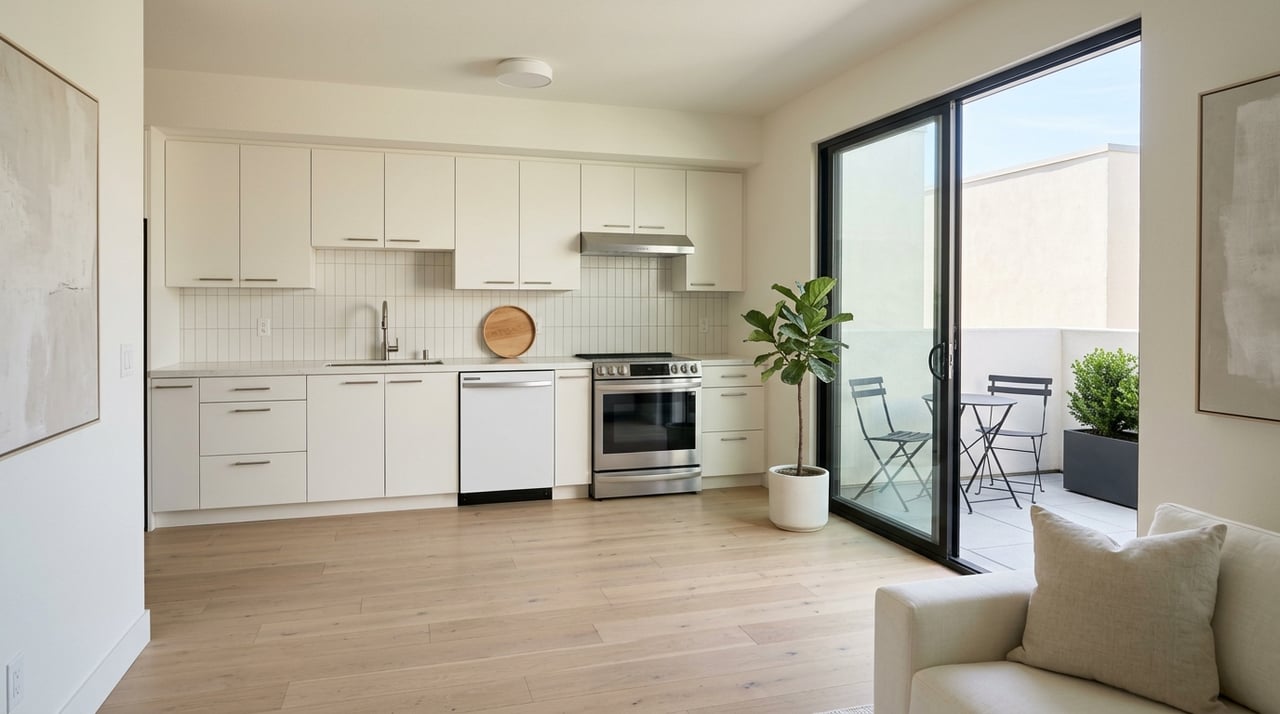
For many second-home buyers, a condo offers the simplest ownership experience. If you want something easier to leave for weeks at a time, condo living can reduce the number of exterior chores and day-to-day maintenance tasks on your plate.
Fannie Mae explains that condo fees often cover exterior maintenance and common areas, and may also include items like water, sewer, trash, insurance components, and reserve savings. That can make monthly costs feel more predictable, especially if you are not living in the property full-time.
The tradeoff is shared decision-making. When you buy a condo, you are also buying into an association’s financial structure and rules. That means you should review the HOA budget, reserve fund, bylaws or CC&Rs, the master insurance policy, and any recent or pending special assessments before you commit.
This step is especially important for second-home buyers. Fannie Mae notes that some condo projects may also be subject to financing or warrantability review, so the association’s financial health can affect your purchase beyond the unit itself. And under CFPB mortgage underwriting guidance, recurring association assessments are treated as mortgage-related obligations, which is another reason fees and assessments deserve close attention.
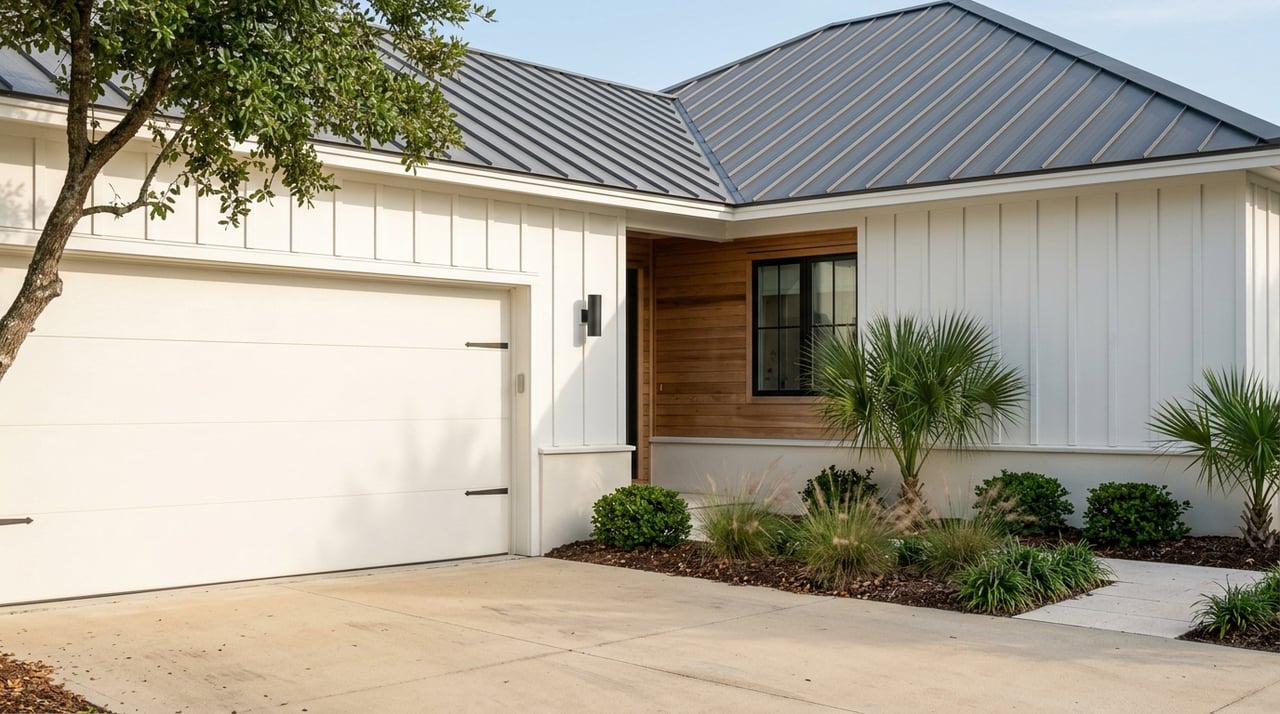
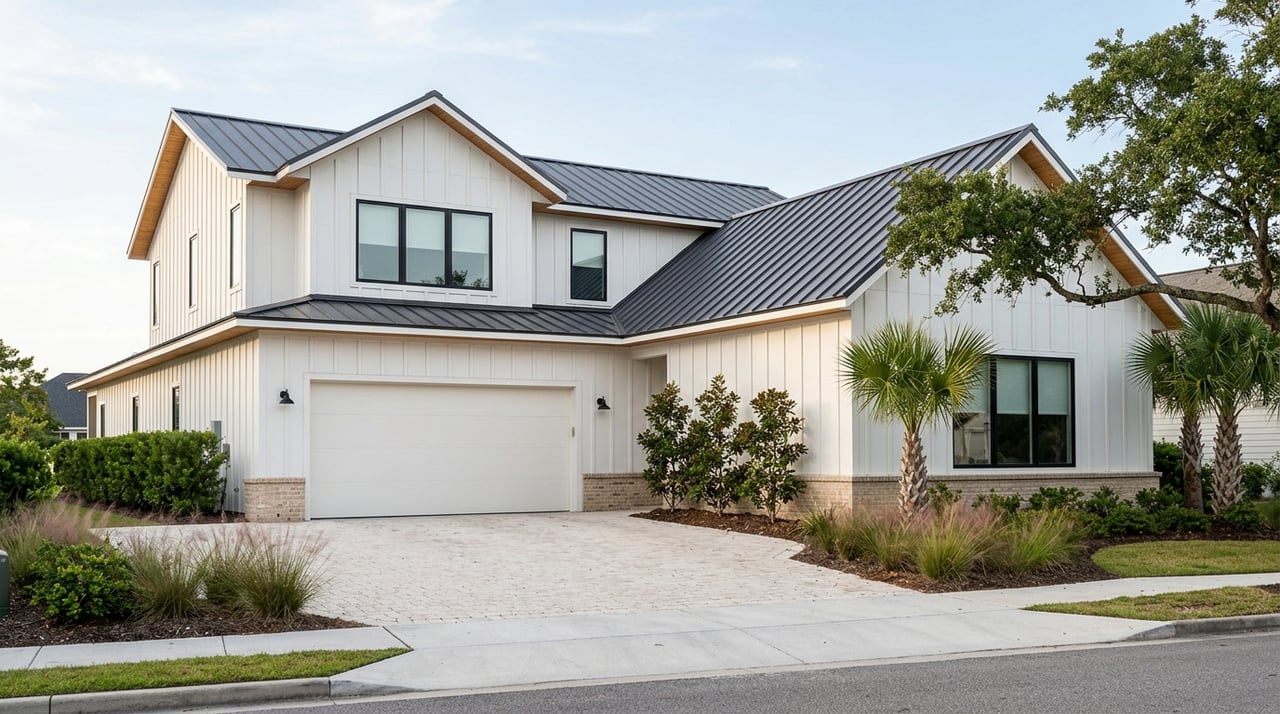
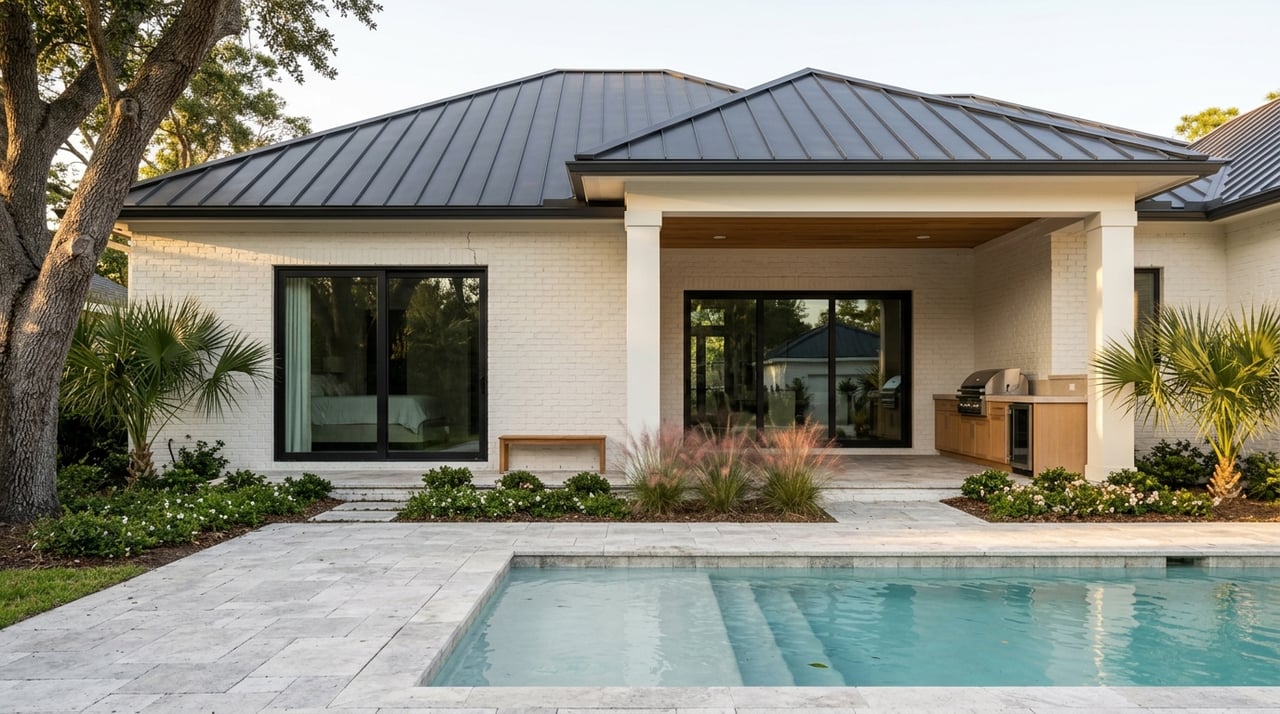
If you picture more privacy, more space, and fewer shared rules, a detached cottage or beach house may be more your style. Surfside Beach’s planning documents describe lower-density neighborhoods with larger lots, mature trees, and lower-volume roads, which helps explain why this style of ownership appeals to many buyers.
The tradeoff is responsibility. With a detached home, you will need a clear plan for lawn care, exterior upkeep, storm preparation, and general property checks while you are away. If you love the autonomy, it can absolutely be worth it, but it works best when you go in with realistic expectations.
One of the most important budget items for a Surfside Beach second home is property tax treatment. In Horry County, a primary residence and a second home are not taxed the same way.
According to the Horry County tax estimator guidance, approved legal residences are taxed at a 4% assessment ratio, while properties that are not approved are taxed at 6%. The county also makes clear that a legal residence is your permanent home and does not include a home maintained mainly for vacation or recreational use.
For most second-home buyers, the practical planning assumption is the 6% category unless the property later becomes your true primary residence and is approved as such. This is one of those details that can change your monthly and annual ownership costs in a meaningful way, so it should be part of your up-front budget, not an afterthought.
Insurance is another major factor for coastal second-home buyers. If you are used to inland ownership, this part of the process can feel unfamiliar at first.
The South Carolina Department of Insurance says homeowners insurance policies typically do not cover flood damage. It also notes that coastal property owners may need more than one policy, including wind coverage and separate flood insurance. Flood insurance can also come with a waiting period before coverage takes effect, which makes early planning important.
Surfside Beach offers helpful local resources here. The town’s Floodplain page explains that the floodplain office can help with flood map determinations, elevation certificates, and historical flood information. The town also notes that Surfside Beach is a CRS Class 7 community, which provides a 15% discount on local flood insurance premiums.
Before you buy, it is smart to confirm whether the property sits in a special flood hazard area or another flood-sensitive zone, and to understand what combination of flood and wind coverage may be needed. For older cottages or more exposed coastal homes, the state also points owners toward mitigation-credit and SC Safe Home resources that may help reduce retrofit-related costs.
Many buyers assume a second home near the beach can automatically double as a short-term rental. In Surfside Beach, that is not something you want to assume.
The town states that all real-estate rentals are considered a business and require a town business license. Surfside Beach also collects a 1% hospitality tax and a 0.5% local accommodation tax. At the state level, South Carolina applies accommodations tax to sleeping accommodations rented for fewer than 90 consecutive days, and direct short-term rental bookers need a Retail License.
On top of that, the town’s comprehensive plan shows a clear policy interest in distinguishing transient short-term rentals from long-term residential occupancy. If rental income is part of your plan, you will want to confirm that the town, the state, and the HOA or condo documents all allow the intended use.
If you are seriously considering a second home in Surfside Beach, these are some of the most useful questions to answer early:
These questions may not be the most glamorous part of the search, but they often separate a smooth second-home experience from a stressful one.
When you tour homes, it helps to compare them beyond price and appearance. A beautiful view matters, but so do the ownership details attached to that view.
I often suggest looking at each option through four simple lenses: property type, carrying costs, insurance exposure, and intended use. A condo with strong reserves and easier maintenance may suit your schedule better than a detached home with more upkeep. On the other hand, a cottage may be the better long-term fit if privacy, design flexibility, and future full-time use matter more to you.
That kind of side-by-side thinking is especially helpful in Surfside Beach, where the market includes both low-maintenance attached housing and more independent single-family options. The right answer is usually less about what sounds ideal in theory and more about how you want ownership to feel in real life.
Surfside Beach can be a wonderful place to own a second home if you want a coastal setting with strong lifestyle appeal and a range of ownership options. The most important choice is not just whether you love the location. It is whether the specific property matches your goals, your maintenance preferences, and your comfort level with taxes, insurance, and rental rules.
If you want a second home that feels like an asset and a lifestyle fit, clarity upfront matters. A thoughtful search process can help you narrow the options, ask better questions, and move forward with confidence.
If you are exploring Surfside Beach or other Grand Strand communities for a second home, I’d be glad to help you compare options with a practical, low-pressure approach. You can connect with Michelle Schneider to start the conversation.
Stay up to date on the latest real estate trends.
With a foundation rooted in multi-generational real estate investment, I bring practical experience in residential and commercial properties, renovations, and client service.
Michelle Schneider
35 Capers Way Pawleys Island SC 29585